
“I’m Not Good with Old People”:
Unpacking the Discomfort and Building Meaningful Connections
Have you ever found yourself awkwardly smiling in a room with an older relative, unsure what to say or how to connect? You’re not alone. The phrase, “I’m not good with old people,” is more common than we’d like to admit — but it doesn’t have to be the end of the story.
At Lighthouse Pointe Village in Pittsburgh, PA, we understand that building intergenerational relationships can feel challenging, especially when you’re unsure how to begin. This blog aims to gently guide you through those feelings and offer compassionate ways to connect more deeply with older adults.
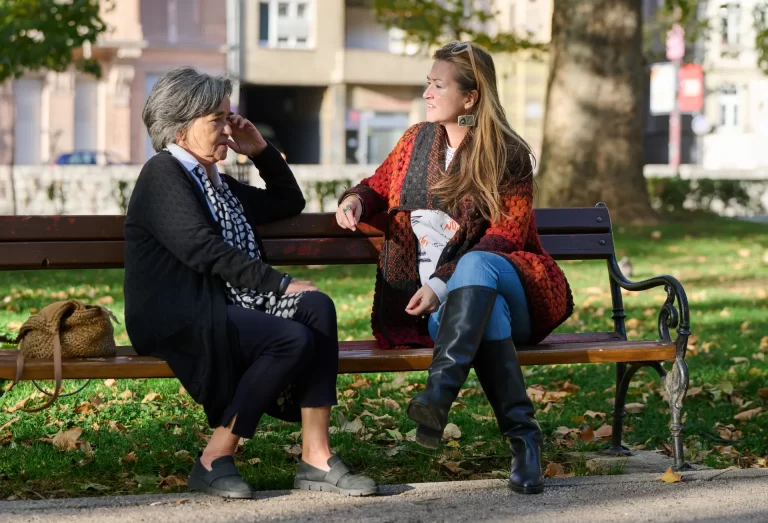
Why It Feels So Hard — And Why That’s Okay
Let’s acknowledge the truth: navigating conversations across generational lines can feel intimidating. We worry about saying the wrong thing, about seeming disrespectful, or simply not being able to relate. Add in concerns like memory loss or slower conversation pace, and many people freeze up.
But here’s the loving truth: discomfort doesn’t mean you’re incapable of connection. It just means you’re human.
The Emotional Core: Fear of Doing It Wrong
Much of the hesitation comes from fear — of triggering painful memories, not being understood, or feeling irrelevant. But that fear can be transformed into compassion and curiosity. Remember: older adults often feel the same way in reverse. They’re also wondering how to connect in a world changing faster than they ever imagined.
At Lighthouse Pointe Village, we’ve seen firsthand how small, meaningful moments can bridge decades of life experience — a shared laugh, a sincere question, or even comfortable silence.
The Logical Step Forward: Practical Ways to Bridge the Gap
Here are some ways to navigate and nourish those relationships:
- Ask open-ended questions: “What was your favorite job?” or “What’s something you learned the hard way?” spark memory and meaning.
- Share your world: They may not know TikTok trends, but they’ll love hearing what excites you.
- Silence is not failure: Sometimes just sitting with someone is enough.
- Prepare for memory shifts: If they repeat themselves or forget your name, respond with patience, not correction. Your calm matters more than your words.
- Use touch and eye contact: A hand on a shoulder, a warm look — these communicate more than clever words ever could.
A Call to Compassion
If you’ve ever said, “I’m not good with old people,” consider this: You don’t need to be good. You just need to be. Be kind. Be present. Be willing. Connection doesn’t require perfection — just heart.
Whether you’re visiting a loved one at Lighthouse Pointe Village in Pittsburgh, or meeting an elder in your community, remember that these relationships enrich both hearts involved. With curiosity and compassion, you can help break the stigma — and discover unexpected joy in the process.